Noisy Breaker Box in Tenambit
A buzzing, humming, or crackling switchboard in your Tenambit home needs checking today, not next week. Electrician Tenambit offers same-day response, Lic #451348C, and 300+ five-star reviews. We can fix it.
What a Noisy Breaker Box Is Telling You
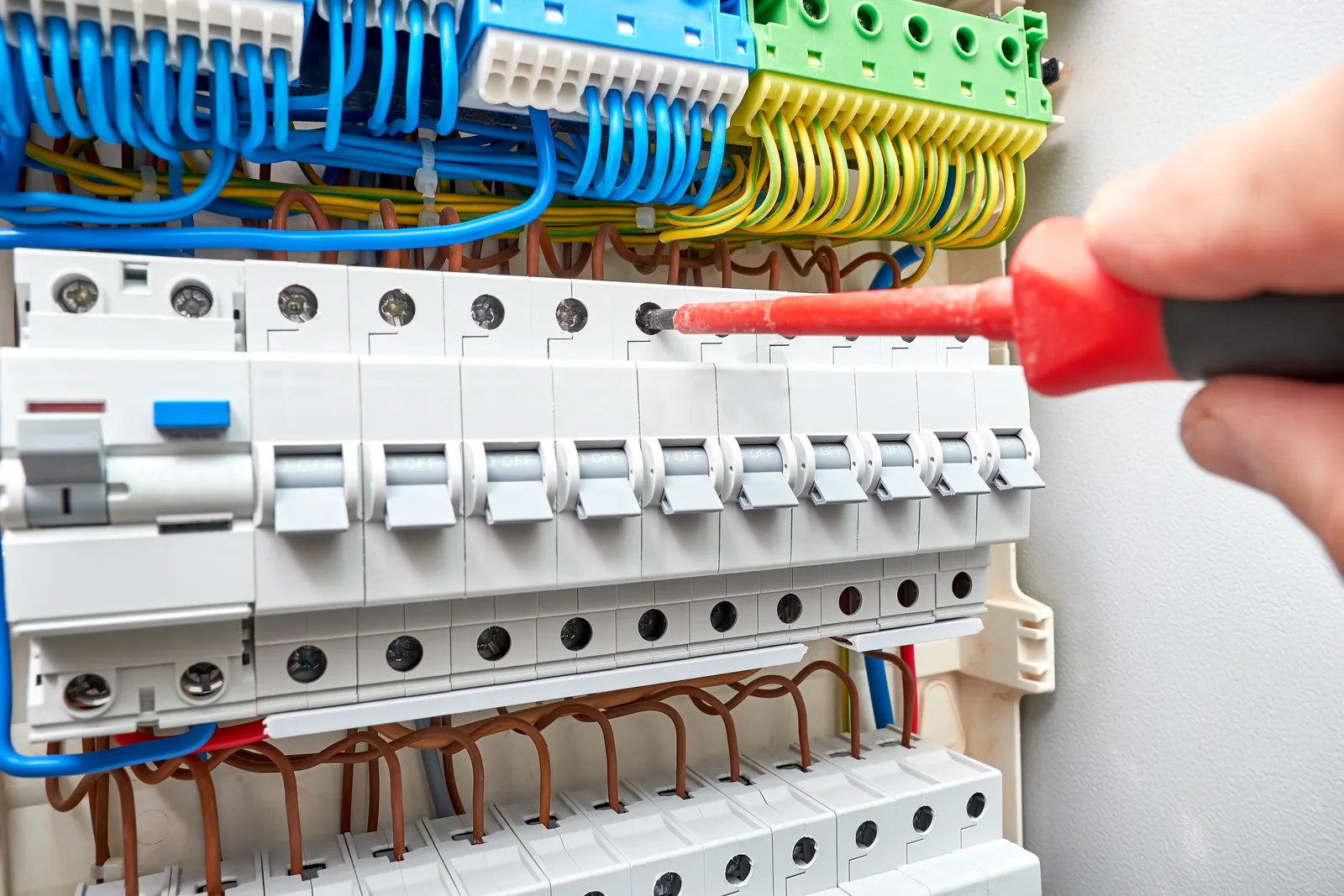
A switchboard should run silently. Buzzing, humming, crackling, or clicking means current is arcing or a connection is loose somewhere inside it, and under AS/NZS 3000 that is treated as a genuine fault, not background noise to live with.
Common Causes of a Noisy Breaker Box
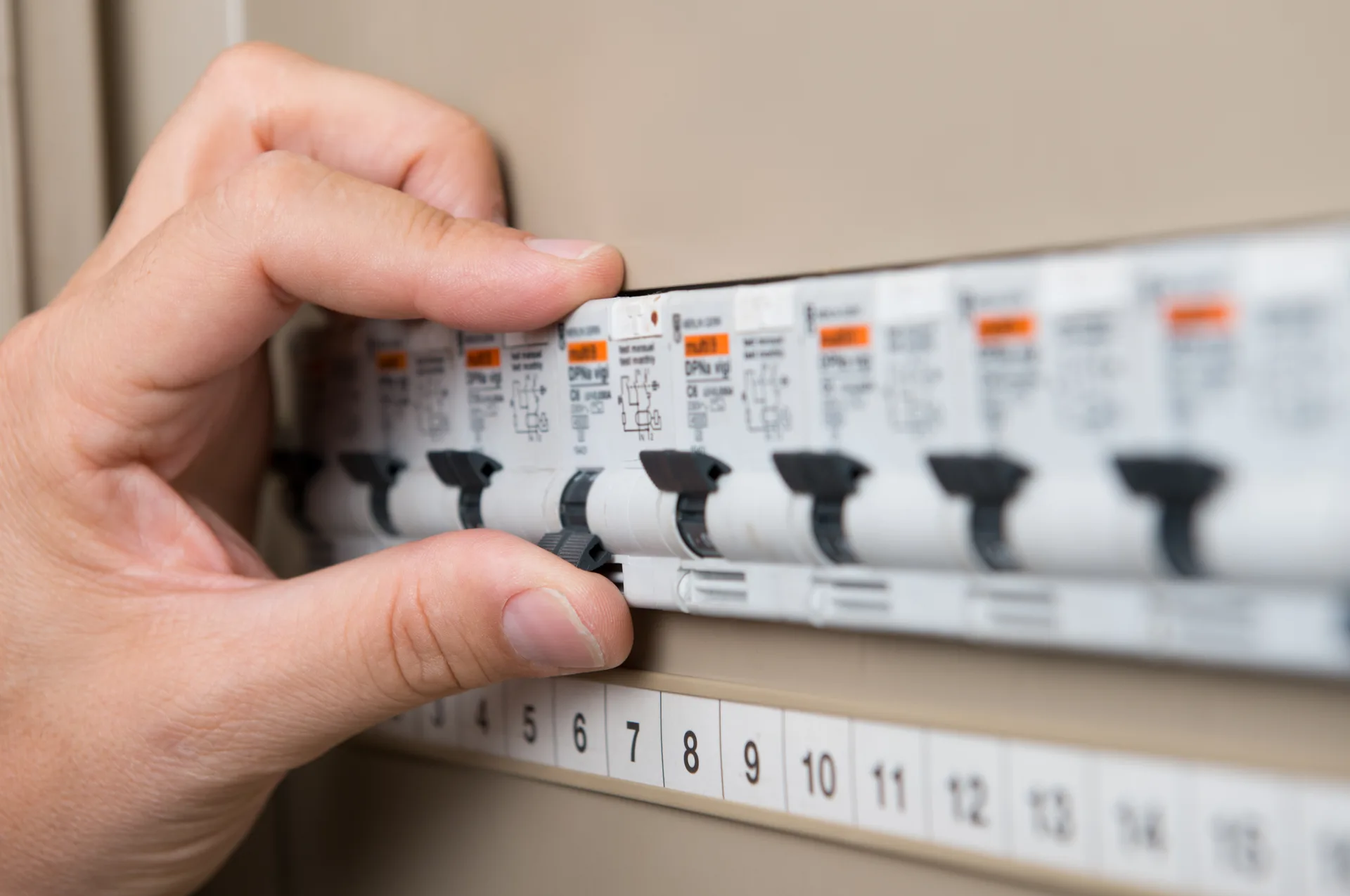
A loose connection inside the board
The most common cause. A screw terminal that has worked loose over time arcs every time current flows through it, producing a buzz or crackle that gets louder under load.
A failing circuit breaker
An ageing breaker can hum or click as its internal contacts wear, especially one that has tripped repeatedly, and it should be replaced before it fails completely.
Arcing at the switchboard
Heat and small sparks between poorly connected components produce a crackling or sizzling sound, and this is one of the clearer fire-risk signs a switchboard can give.
An overloaded or ageing board
Tenambit's 1960s-1980s brick-veneer housing stock often still retains original ceramic-fuse switchboards, and these older boards run hotter and noisier under today's electrical load than a modern board.
Moisture inside the switchboard enclosure
Rain finding its way into an outdoor meter box or an ageing enclosure can create a damp path across live components, producing a crackling or buzzing sound as current tracks across it.
Is a Noisy Breaker Box Dangerous?
Yes. A switchboard that buzzes, hums, or crackles is showing early signs of overheating or arcing, and left unchecked it can progress toward a genuine electrical fire.
- Treat any buzzing, humming, or crackling from the switchboard as urgent, not background noise
- Warmth, discolouration, or a burning smell alongside the noise confirms active overheating
- A very old fuse board with no safety switches leaves you unprotected and no longer meets AS/NZS 3000
- Noise that gets louder under load, such as when the oven or heater runs, points to a worsening fault
What To Do Right Now
These are safe containment steps only, while you wait for a licensed electrician to check the board properly:
- Do not open the switchboard, touch it, or attempt to investigate the noise yourself.
- If you can smell burning or see scorching, switch off the main switch if it is safe to reach.
- Keep other people and pets away from the switchboard area.
- Note whether the noise is constant, or only happens when certain appliances run.
- Avoid running heavy-draw appliances until the board has been checked.
- Call a licensed electrician (Lic #451348C) the same day.
When To Call an Electrician for a Noisy Breaker Box in Tenambit
- The switchboard buzzes, hums, crackles, or clicks at any time
- The noise gets louder when certain circuits or appliances are in use
- There is warmth, discolouration, or a burning smell near the board
- Your board still uses old ceramic or rewireable fuses
- The switchboard has not been inspected in several years
Any of these at your Tenambit property is a job for a licensed electrician, not something to monitor. We respond same-day and 24/7 for emergencies, with $0 call-out and free quotes. See our switchboard upgrades and electrical repairs.
How it works
How We Fix a Noisy Breaker Box in Tenambit
Fault Finding
We isolate circuits safely and inspect every connection inside the switchboard to pinpoint exactly where the noise and heat are coming from.
Upfront Quote
Once we know the cause, we explain it in plain English and provide a fixed, upfront quote before any repair or upgrade begins.
The Repair or Upgrade
We repair the specific loose connection or failing breaker, and where the board itself is the underlying problem, we recommend a switchboard upgrade.
Testing & Safety Check
Every repaired switchboard is tested against AS/NZS 3000 wiring rules before we leave, confirming it runs safely and silently.
Why This Is Common in Older Tenambit Homes
Tenambit's brick-veneer housing from the 1960s to 1980s commonly still runs original ceramic-fuse boards without safety switches, which are more prone to loose connections, a pattern also seen in neighbouring Ashtonfield.
Noisy Breaker Boxes and Related Electrical Faults Across Tenambit
A noisy breaker box often shows up alongside a burnt smell or a tripped circuit breaker. We fix all three across Tenambit, Metford, Maitland, and the wider Maitland region.
Noisy Breaker Box in Tenambit? Call Now
Call (02) 4072 9929 for a same-day licensed electrician. We offer $0 call-out, free quotes, and fixed upfront pricing, backed by Lic #451348C and 300+ five-star reviews. If it sparks, shorts, flickers or fails, we can fix it.
Common questions
Frequently Asked Questions
Straight answers to the questions Tenambit homeowners ask us most when their switchboard starts making noise.
Is a buzzing or humming breaker box dangerous?
Yes, a switchboard that buzzes, hums, or crackles usually means a loose connection or arcing inside it, which is a genuine fire risk and should be checked the same day.
What causes a noisy switchboard or breaker box?
A loose connection, a failing breaker, arcing at a terminal, or an overloaded board are the most common causes of buzzing, humming, or crackling noises.
What should I do if my breaker box is making noise?
Avoid touching or opening the switchboard yourself, note whether the noise is constant or comes and goes, and call a licensed electrician straight away.
Do I need an electrician for a noisy breaker box?
Yes, only a licensed electrician can safely open the switchboard, find the source of the noise, and repair or replace the faulty component.
How much does it cost to fix a noisy switchboard?
We provide a fixed, upfront quote before any work starts, with a $0 call-out fee and a free quote, so you know the price before we begin.
Are ageing switchboards a common cause of noisy breaker boxes in older Tenambit homes?
Yes, many Tenambit properties from the 1960s to 1980s still run original ceramic-fuse boards, which are more prone to loose connections and arcing than modern boards.